When Should a Rec League Lock Rosters and Stop Accepting Late Registrations?
Roster locks protect competitive balance and your sanity, but locking too early kills sign-ups. Here is how to pick the right cutoff dates for your league and enforce them without a fight.
Why roster locks exist in the first place
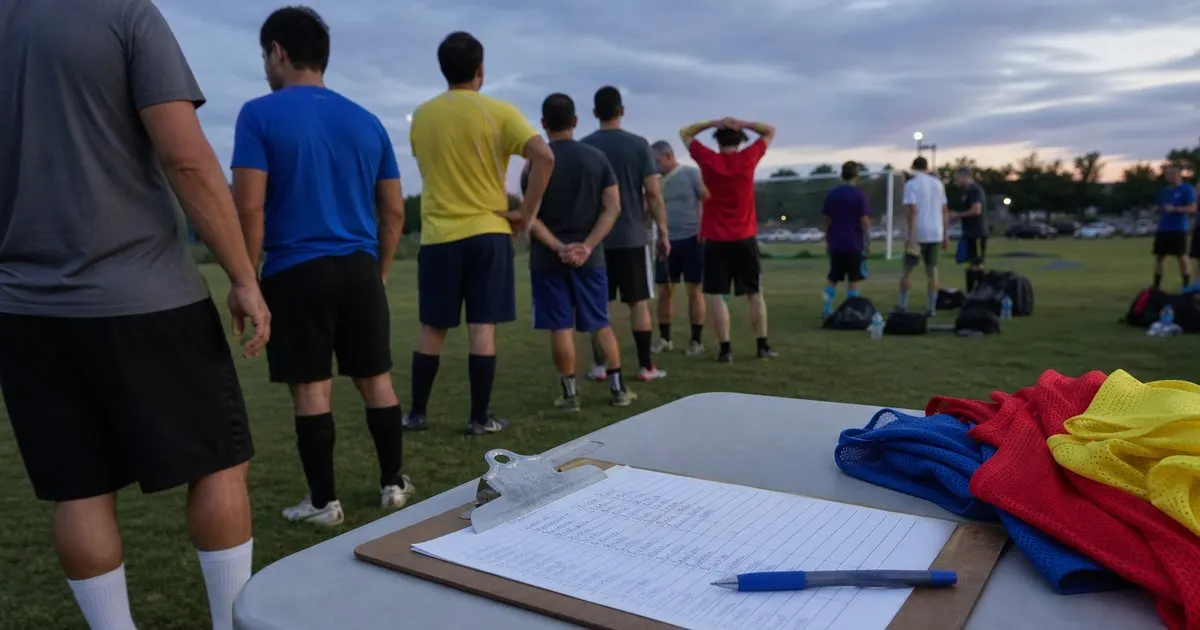
A roster lock is not bureaucracy for its own sake. It solves four real problems at once. First, it stops teams from adding a ringer the week before playoffs, which is the single fastest way to make the other captains feel cheated. Second, it guarantees that every person on the field has signed a waiver and is covered by whatever insurance arrangement your league or facility requires. Third, it gives you a stable headcount for anything you order in bulk, like shirts or end-of-season awards. Fourth, it lets the standings mean something, because the team that finishes first did it with the group that showed up all season. Related: What Tiebreakers Should a Rec League Use to Decide Final Standings?
The trade-off is obvious. Every day you keep registration open, you pick up a few more players, and rec leagues live and die on headcount. Lock too early and you turn away the friend-of-a-friend who would have filled out a short-handed roster. Lock too late and you invite the playoff ringer. The answer is not one date but two, and most organizers who struggle with this are trying to make a single deadline do two different jobs.
Keep reading: How Do You Build a Fair Schedule for a Recreational Sports League?, What Tiebreakers Should a Rec League Use to Decide Final Standings?, Why Do Clear Standings Keep Recreational League Players Coming Back Each Week?. See how LeagueLoopr helps you recreational sports league scheduling and standings.
Two different deadlines: team registration and roster additions
The team registration deadline is the date after which you will not accept new teams. This one is driven by scheduling logistics. You cannot build a balanced schedule until you know how many teams you have, and rebuilding a schedule after it has been published creates exactly the kind of confusion players hate. In practice, closing team registration one to two weeks before the first game gives you enough time to build the schedule, assign time slots, and let captains review it before opening night. If you are short on teams at that point, that is the moment to combine free agents into a new team, not to keep the door open indefinitely. Related: How Do You Build a Fair Schedule for a Recreational Sports League?
The roster addition deadline is different. This is the date after which existing teams cannot add players. It should sit well into the season, because early-season attrition is normal: someone gets hurt, someone moves, someone discovers they hate Tuesday nights. A common and sensible approach is to close roster additions at roughly the halfway point of the regular season, or at the latest, the week before playoffs begin. Players added before the lock are fully eligible; players added after it, if you allow any, are regular-season substitutes only.
How to set the cutoff for your sport and season length
Season length changes the math. In a long season of sixteen or more weeks, locking at the midpoint still leaves teams two months to settle their roster, and that works well. In a short season of eight weeks, a midpoint lock lands after week four, which can feel abrupt to a team that lost two players in week three. For short seasons, consider locking at the end of the second-to-last regular-season week instead, and pair it with a minimum games played requirement for playoff eligibility. A player who joined in week six and played two games cannot suddenly be a playoff star, because the rule says they need to have appeared in, say, a third of the regular-season games. Related: Why Do Clear Standings Keep Recreational League Players Coming Back Each Week?
The minimum games played rule is often more useful than a hard lock, because it handles the ringer problem directly while still letting struggling teams stay afloat. It does require accurate attendance records, which is where score reporting and captain check-ins matter. Injury replacement is the other exception worth writing down. If a rostered player is out for the season, allowing a one-for-one replacement after the lock, with the organizer's approval, keeps a team from folding without opening the door to stacking. Keep the approval in your hands, not the captain's, and make the replacement roughly the same skill level. Related: How Should Organizers Handle Rainouts and Rescheduled Games in a Rec League?
Enforcing the lock without becoming the bad guy
The lock only feels unfair when it surprises people. Put both dates in the rules that captains agree to at registration, repeat them in the welcome message, and send a reminder about a week before each deadline. When a captain asks for an exception on the day after the lock, the answer is easier to give when you can point to three separate messages that said the date. The goal is that captains manage their own rosters proactively because they know the calendar, not because you chase them.
Software helps here in a quiet way. If your league platform lets you set a roster lock date, the add-player button simply stops working after that date, and the captain does not have to argue with a person. LeagueLoopr handles it that way, and so do several other platforms; the point is that a system enforcing a published rule is far less friction than a volunteer enforcing it by text message. Whatever tool you use, keep a substitute list for regular-season games so short-handed teams can still field a lineup, and be explicit that subs do not play in playoffs. That combination keeps games happening and keeps playoffs honest.
- Use two deadlines: close team registration before you build the schedule, and close roster additions around the midpoint or the week before playoffs.
- A minimum games played rule for playoff eligibility often solves the ringer problem better than a hard lock alone.
- Allow organizer-approved injury replacements after the lock so teams do not fold, but keep the decision with you.
- Publish both dates at registration and repeat them so the lock never comes as a surprise.

Julien Jimenez
Julien Jimenez is an independent software builder based in Paris. He designs, ships, and operates focused SaaS products for small businesses and independent professionals. Read the full author page.
Run your league without the spreadsheets
Recreational sports league scheduling and standings. LeagueLoopr is built to help you put this into practice.
Build my scheduleMore from the LeagueLoopr blog

How Do You Build a Fair Schedule for a Recreational Sports League?
What Tiebreakers Should a Rec League Use to Decide Final Standings?

Why Do Clear Standings Keep Recreational League Players Coming Back Each Week?
Get the LeagueLoopr playbook
Practical guides on rec league management, straight to your inbox as we publish them. No spam, unsubscribe any time.