
Rec league management
How Do You Build a Fair Schedule for a Recreational Sports League?
A fair schedule keeps every team happy and coming back. Here is how to balance matchups, times, and fields evenly.
Practical, honest advice from the team behind LeagueLoopr, written to help you do this well.
A fair schedule keeps every team happy and coming back. Here is how to balance matchups, times, and fields evenly.
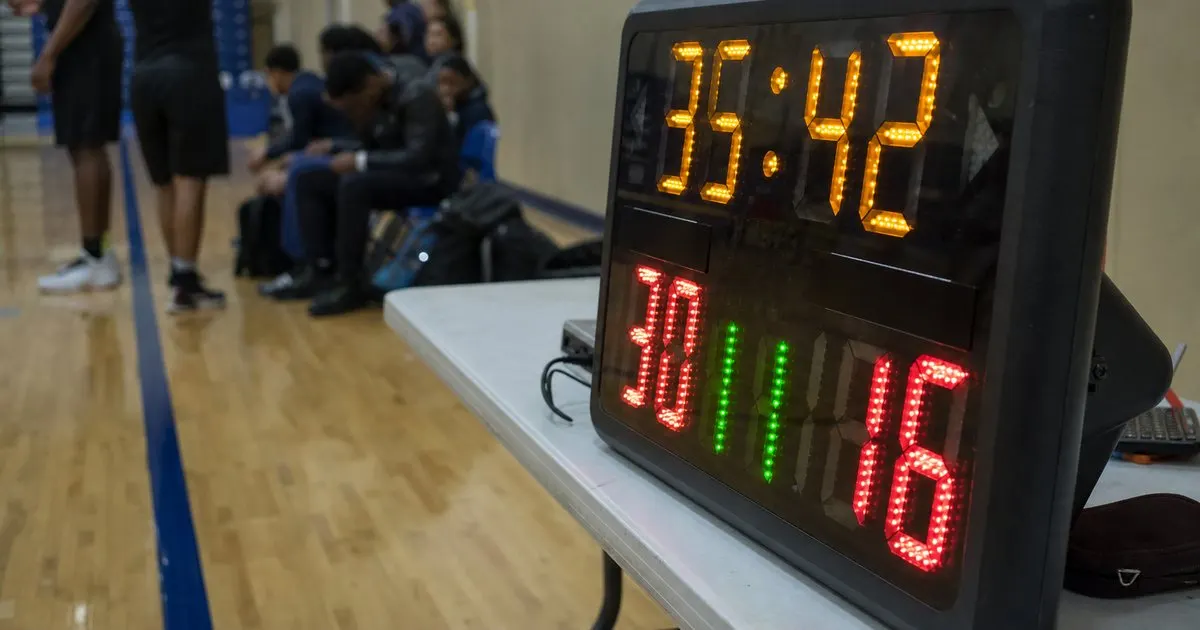
When teams finish level, the tiebreaker decides everything. Here is how to choose fair, clear tiebreakers ahead of time.

Standings are more than a table. Here is why keeping them clear and current drives players to return week after week.
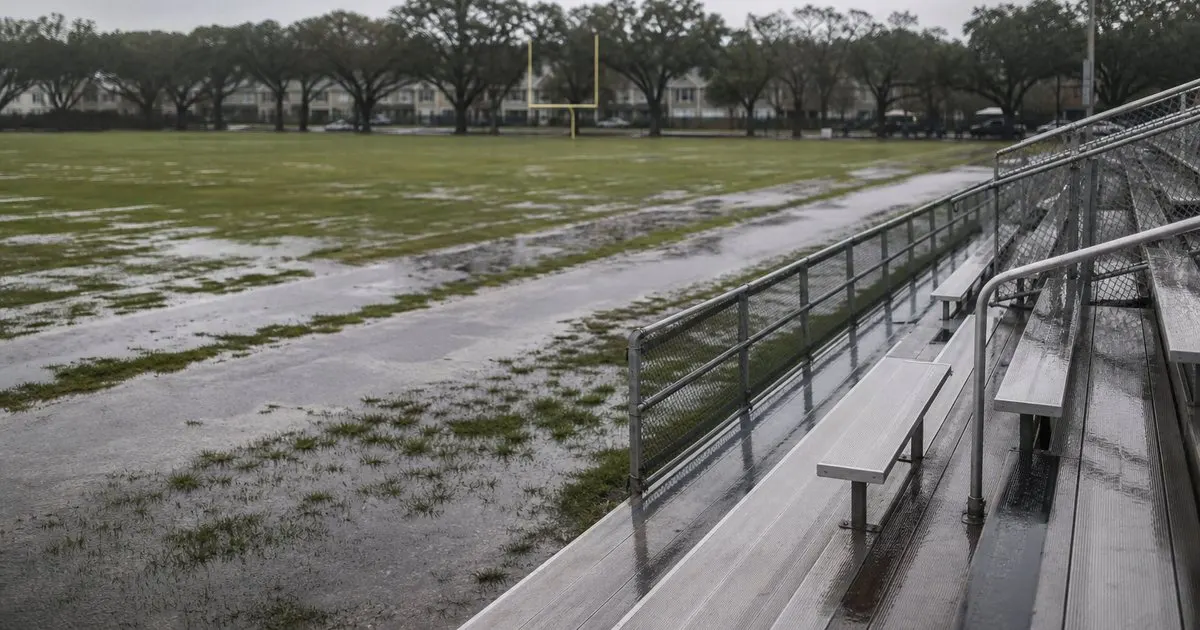
Weather and conflicts will disrupt any season. Here is how to reschedule games without breaking the standings or your sanity.

Mismatched teams make games no fun for anyone. Here is how to know when to split a league into skill divisions.

A missed message means teams at the wrong place or time. Here is how to keep every player reliably informed.

Standings are only as good as the scores behind them. Here is how to get reliable results from busy volunteer captains.

A short season needs a format that fits the weeks available. Here is how to choose one that stays fun and fair.

Running a league is more work than it looks. Here is how a first-time organizer can stay sane and keep it fun.
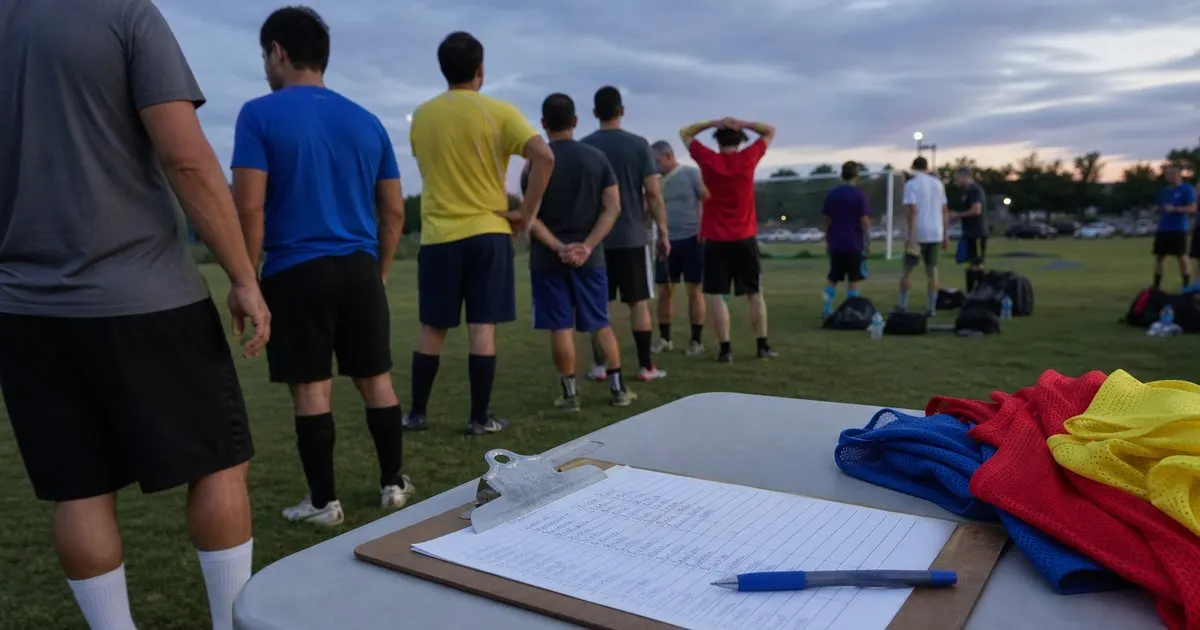
Roster locks protect competitive balance and your sanity, but locking too early kills sign-ups. Here is how to pick the right cutoff dates for your league and enforce them without a fight.
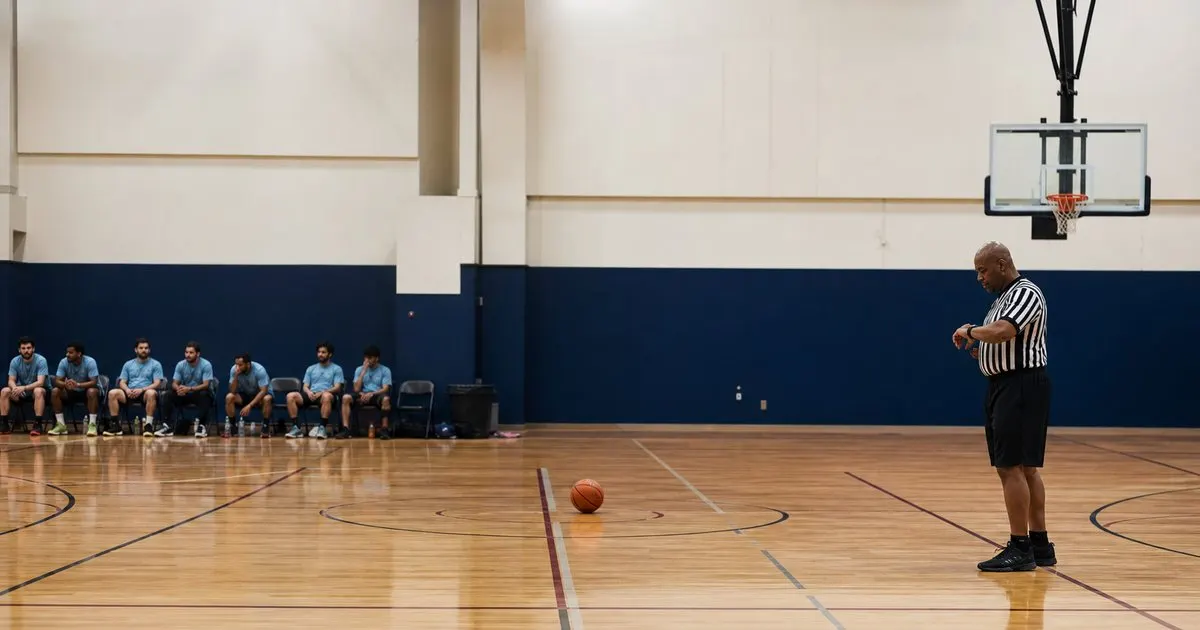
A forfeit costs the opposing team their night and costs the league its credibility. Here is a forfeit policy that discourages no-shows without driving teams away.

Free agents are the players who most want to play and most often get lost in the shuffle. A clear placement process turns them into full teams and loyal returning players.
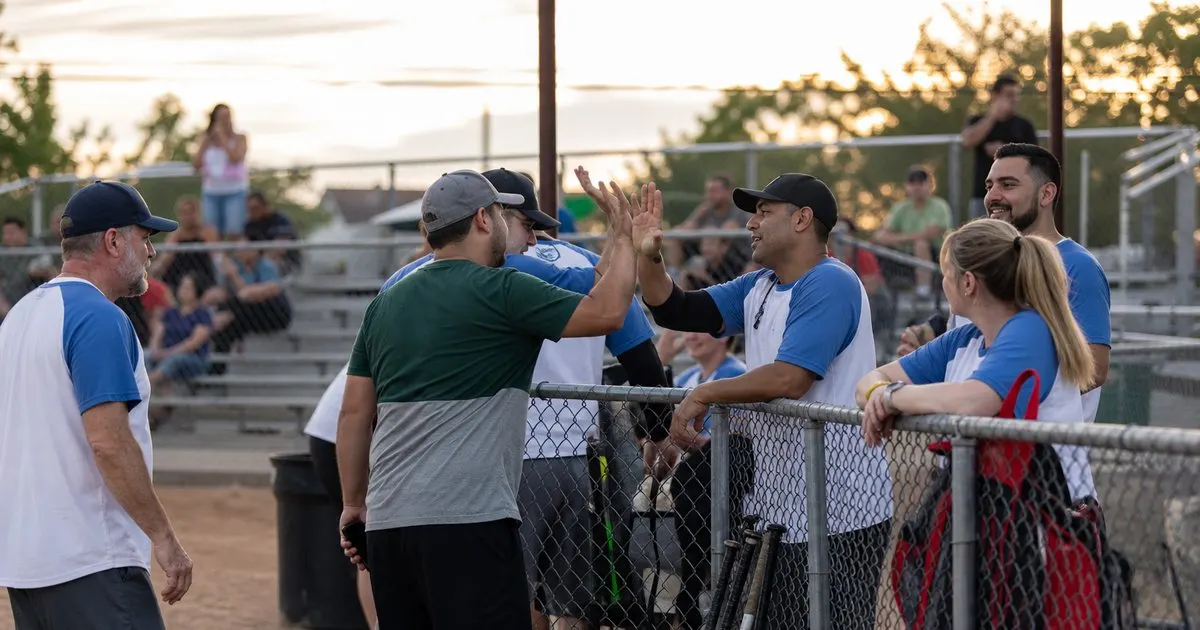
Too few playoff spots and half your league checks out by week five. Too many and the regular season stops mattering. Here is how to size the bracket for your team count and calendar.
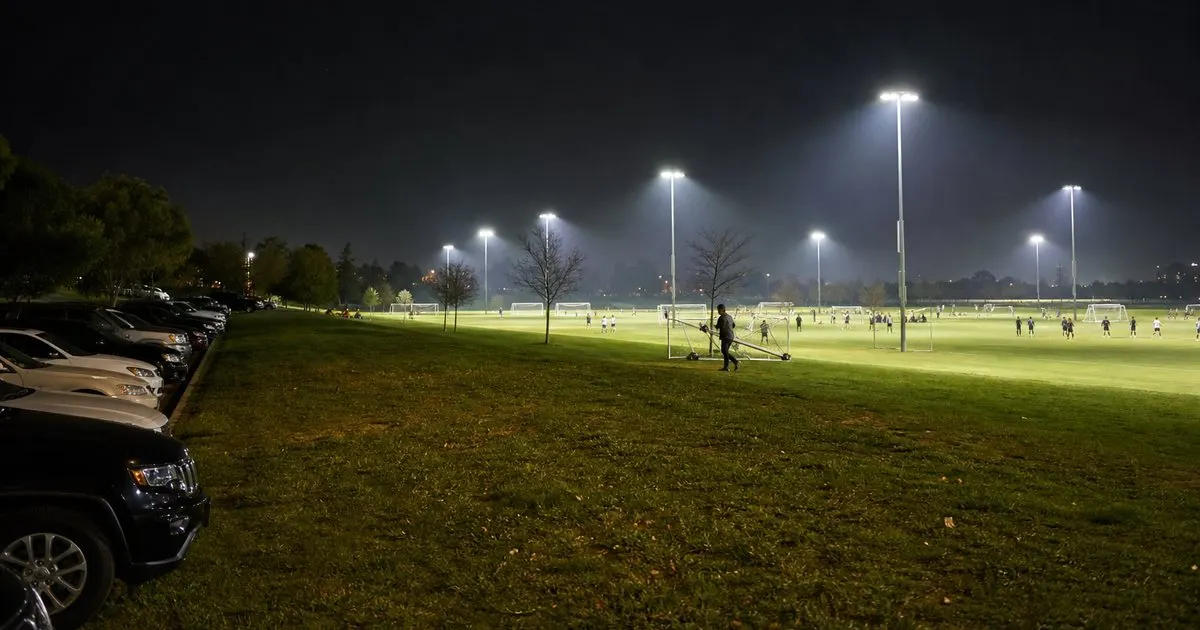
When you have three fields and fourteen teams, someone always ends up with the latest slot on the worst field. Here is how to distribute time slots so nobody feels singled out.
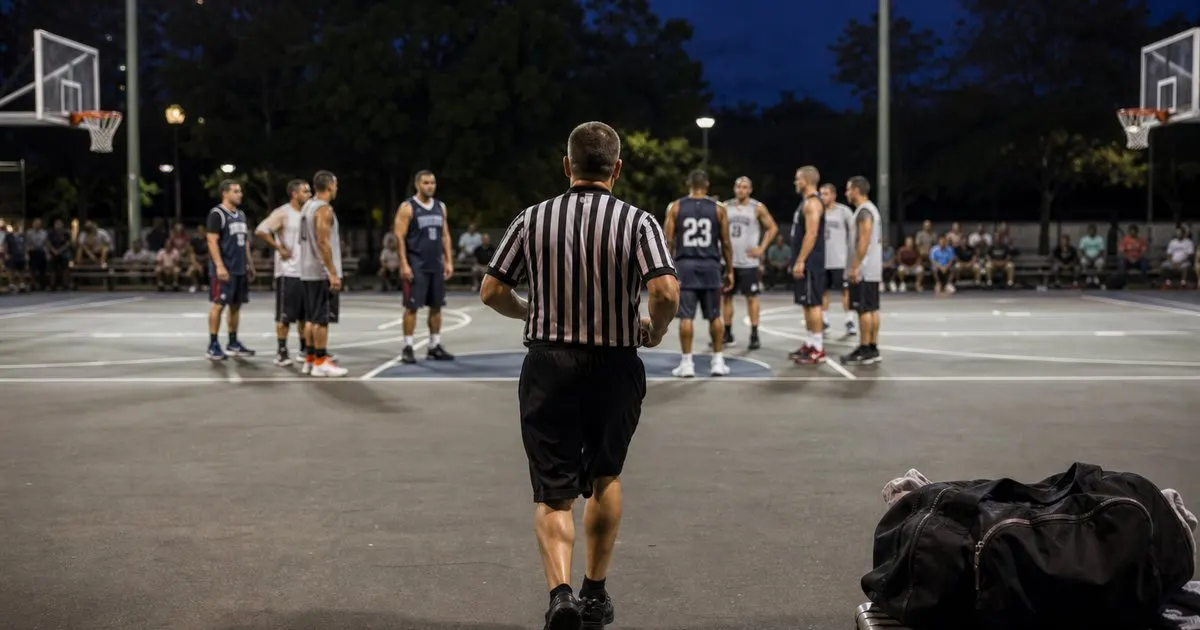
Officials cancel. It happens in every league, every season. The organizers who handle it well have a plan written down before the first whistle, not a panic at 6:45 in the evening.

A team quitting mid-season leaves holes in the schedule and asterisks in the standings. Here is how to handle both without a revolt from the other captains.
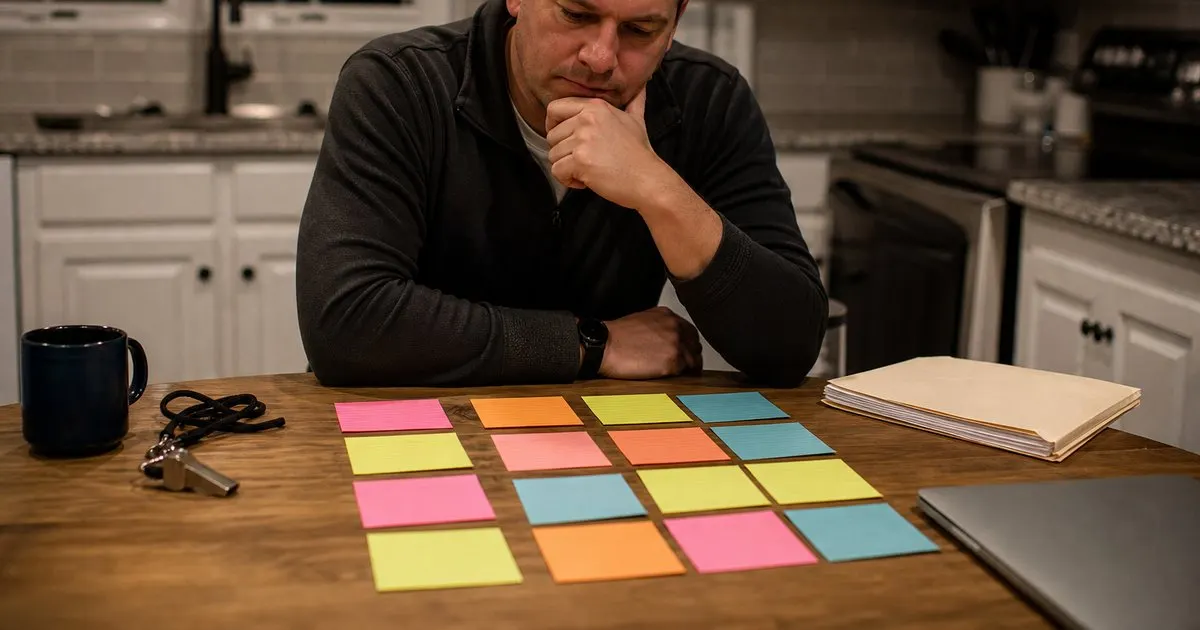
Eleven teams instead of twelve seems like a small difference until you try to build the schedule. Here is what the odd team actually costs you and the workarounds that hurt the least.

Sportsmanship ratings work when players see them as fair and a little boring. They fail when they feel like a popularity contest. Here is what separates the two in practice.

Refund requests are a policy problem long before they are a money problem. Here is a tiered structure that protects the league budget, keeps the player, and takes the argument out of every individual email.

A mercy rule protects the evening and the facility slot, but it never fixes a mismatched division. Here is how to pick the right mechanism, write a trigger nobody argues about, and solve the underlying placement problem.