When Should a Recreational League Split Into Separate Skill Divisions?
Mismatched teams make games no fun for anyone. Here is how to know when to split a league into skill divisions.
Split when blowouts become the norm and lopsided games stop being fun for anyone, provided you have enough teams for each division to run a real schedule. Divisions also suit leagues where some players want to compete hard and others to play socially. Communicate the change openly so it feels like a benefit.

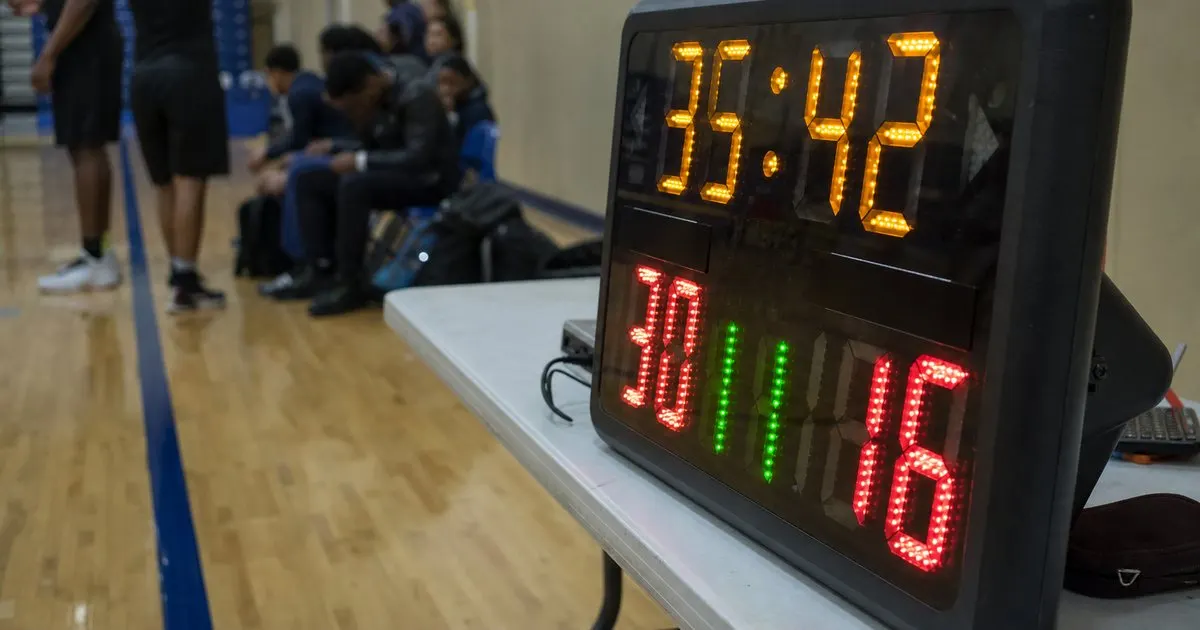
When blowouts become the norm
If strong teams routinely crush weaker ones, nobody enjoys it. Lopsided games signal a talent spread too wide for a single division to hold. Related: How Much Should a Rec League Rely on Mercy Rules to Stop Lopsided Blowout Games?
Competitive games are the whole point, and consistent blowouts mean that point is being missed.
Keep reading: How Do You Build a Fair Schedule for a Recreational Sports League?, What Tiebreakers Should a Rec League Use to Decide Final Standings?, Why Do Clear Standings Keep Recreational League Players Coming Back Each Week?. See how LeagueLoopr helps you recreational sports league scheduling and standings.
When you have the numbers
Splitting only works if each division has enough teams for a real schedule. A division of three teams is not much of a league. Related: How Do You Build a Fair Schedule for a Recreational Sports League?
You need the volume to support two competitive groups before you divide.
When players want different things
Some join to compete hard, others to play socially. Divisions let each group find the experience they came for instead of frustrating both.
Matching intent, not just skill, keeps everyone happy.
Communicate the change carefully
Sorting teams by skill can be sensitive. Explaining the goal, better games for everyone, and being transparent about placement keeps it positive. Related: What Is the Best Way to Place Free Agents Onto Teams in a Rec League?
Handled openly, a split feels like a benefit rather than a judgment.
- Split when blowouts become the norm
- Ensure each division has enough teams for a real schedule
- Divisions can match different player intentions
- Communicate the change openly to keep it positive

Julien Jimenez
Julien Jimenez is an independent software builder based in Paris. He designs, ships, and operates focused SaaS products for small businesses and independent professionals. Read the full author page.
Frequently asked questions
How many teams do you need before splitting into divisions?
Each division needs enough teams to support a real schedule; a division of three teams is barely a league. Confirm you have the volume for two competitive groups before dividing the field.
How should organizers announce a split into skill divisions?
Sorting teams by skill can feel sensitive, so explain the goal of better games for everyone and be transparent about placement. Handled openly, a split reads as a benefit rather than a judgment.
Run your league without the spreadsheets
Recreational sports league scheduling and standings. LeagueLoopr is built to help you put this into practice.
Build my scheduleMore from the LeagueLoopr blog

How Do You Build a Fair Schedule for a Recreational Sports League?
What Tiebreakers Should a Rec League Use to Decide Final Standings?

Why Do Clear Standings Keep Recreational League Players Coming Back Each Week?
Get the LeagueLoopr playbook
Practical guides on rec league management, straight to your inbox as we publish them. No spam, unsubscribe any time.